ERP Data Governance: Creating Strong Standards and Policies for Success
Discover how to create data standards and policies for ERP systems. Learn best practices, tools, and real-world examples for improving data quality and compliance
Knowledge Base
Practical guides, frameworks, and deep-dives on Oracle Fusion, SAP MDG, Data Migration, Manufacturing ERP, and AI governance.
Showing 38 articles
Discover how to create data standards and policies for ERP systems. Learn best practices, tools, and real-world examples for improving data quality and compliance
Learn how to assign data ownership and stewardship roles in ERP systems. Explore best practices, tools, and a real-life case study for effective governance.
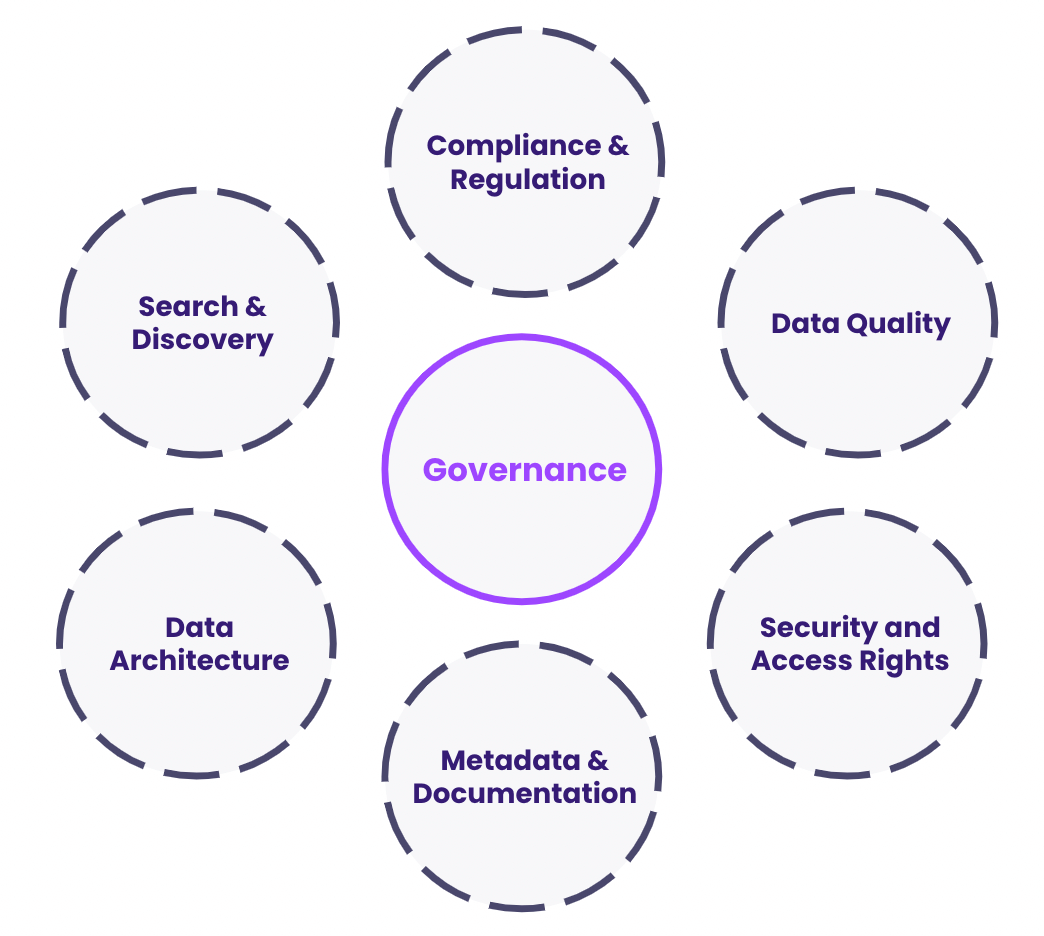
Learn how to establish a data governance framework for ERP systems, ensuring data accuracy, compliance, and security. Includes tools and real-life case studies.
The landscape of ERP data management is evolving rapidly, driven by emerging technologies like AI, blockchain, and predictive analytics. This article explores the future trends shaping ERP systems, highlighting innovations that enhance data accuracy, integration, and decision-making. Discover what lies ahead and how organizations can prepare for the next era of data management.
Data integrity is the backbone of any successful ERP system. In this article, we delve into the critical role of Data Lifecycle Management in ERP, exploring strategies to ensure consistency, accuracy, and reliability of enterprise data. Learn how to optimize data governance, streamline processes, and maintain a single source of truth across your organization, empowering better decision-making and operational efficiency
Harness real-time ERP data analytics for better decision-making. Explore how data insights can drive strategy and operational improvements
In today’s digital landscape, data security and compliance are essential for organizations using ERP systems to manage sensitive information. ERP systems centralize vast amounts of critical data—financial records, employee information, and customer details—making them prime targets for cyberattacks. Protecting this data requires robust security measures, from encryption and user authentication to access controls and regular audits. Compliance with regulations like GDPR and SOX is equally crucial, as non-compliance can lead to hefty fines and reputational damage. By implementing secure ERP practices, companies can safeguard their data, ensuring both operational efficiency and adherence to legal standards.
Moving data to a new ERP system? Follow this step-by-step guide to ensure a smooth data migration, covering data preparation, testing, and post-migration validation.
Understand how to safeguard ERP data with top security practices. Explore measures like access control, encryption, and regular audits to protect business data.
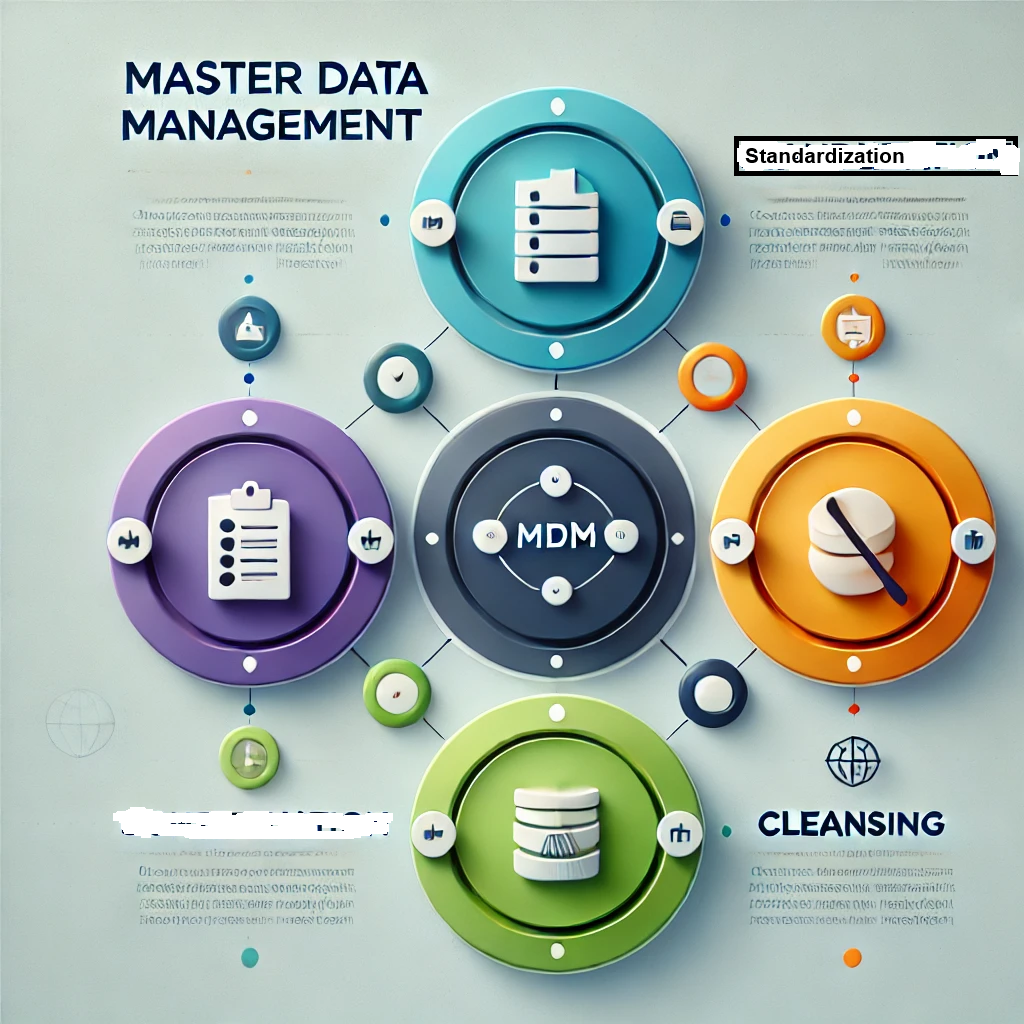
Discover the critical role of master data management in ERP systems. Learn how MDM promotes data consistency, control, and streamlines business processes. This article explains master data management in ERP, focusing on its importance in maintaining consistency across business processes.